Best AI Image Generators 2026 Ranked by Earning Power
We re-ranked the best AI image generators 2026 by earning power, scoring commercial-use licenses, credit metering, and cost per billable image.

Every "best AI image generators 2026" roundup answers a hobbyist's question: which model renders the prettiest picture from your prompt. Sellers ask a different one. If you list Etsy printables, publish on KDP, contribute labeled AI stock, or deliver thumbnails and mockups to clients, every image is inventory, and inventory has to clear checks a gallery score never runs. Does the exact paid tier you are about to buy permit commercial resale? What does one generation credit buy after you cull the misses? Which buyer channels will pay for the file at all?
Stay in the loop.
Get the latest posts and exclusive content delivered to your inbox.
Join 20 readers. No spam. Unsubscribe in one click, anytime.
We scored the five tools sellers most often weigh, Midjourney, Adobe Firefly, OpenAI's GPT Image, Ideogram, and Leonardo, on those checks plus real 2026 buyer demand. Re-ranked by earning power, the order changes, and two popular options drop off a money-maker's shortlist entirely. This piece also closes our series re-ranking AI tools by what they earn, after text, video, presentation, and agent generators.
Why Gallery Rankings Fail Side Hustlers
The most-read 2026 roundups, Zapier's among them, judge image quality, prompt adherence, free-tier limits, and workflow integrations. Fair criteria for choosing an app. Silent on whether the output can be sold at a profit, which is the only question that matters once a marketplace listing is involved.
| What roundups score | Why a seller cannot bill on it |
|---|---|
| Image quality and prompt adherence | Gorgeous output under a non-commercial clause is worth $0 at any resolution |
| Free-tier generosity | Sellers need paid tiers for resale rights and volume anyway |
| Benchmark wins | Benchmarks count keepers and culls equally; your income counts keepers only |
Three omissions do the damage. License enforceability attaches to the tier, not the brand, so a tool can be sellable on one plan and unsellable on another. Credit metering decides whether a weekend batch of 300 generations is routine or a budget incident. And cost per billable image, which divides sticker price by your keep rate, is the number every per-generation quote hides. A fourth assumption goes unstated in most reviews: that a buyer exists. A tool can win every aesthetics test and still fail all four.
The Earning-Power Scorecard
Four pillars, 25 points each, all checkable from public pricing and license pages.
- Commercial-use license at your exact tier (25). What the terms for the plan you would actually buy grant, not what a marketing page implies.
- Credit metering and reset behavior (25). What one credit produces, whether unused credits roll over, and how the plan absorbs bursty production.
- Cost per billable image after culling (25). Plan price divided by the images you keep, not the images you run.
- Buyer-channel fit (25). Whether Etsy, KDP, accepting stock sites, clients, and print-on-demand platforms want this output under their current rules.
Two rules keep the scoring honest. A tool scoring under 15 on the license pillar is capped below the leaders overall, because unsellable output has effectively infinite cost per billable image. And channel fit is scored against 2026 acceptance and disclosure rules, not the open-door era of the first AI gold rush.
Best AI Image Generators 2026, Re-Ranked by Earning Power
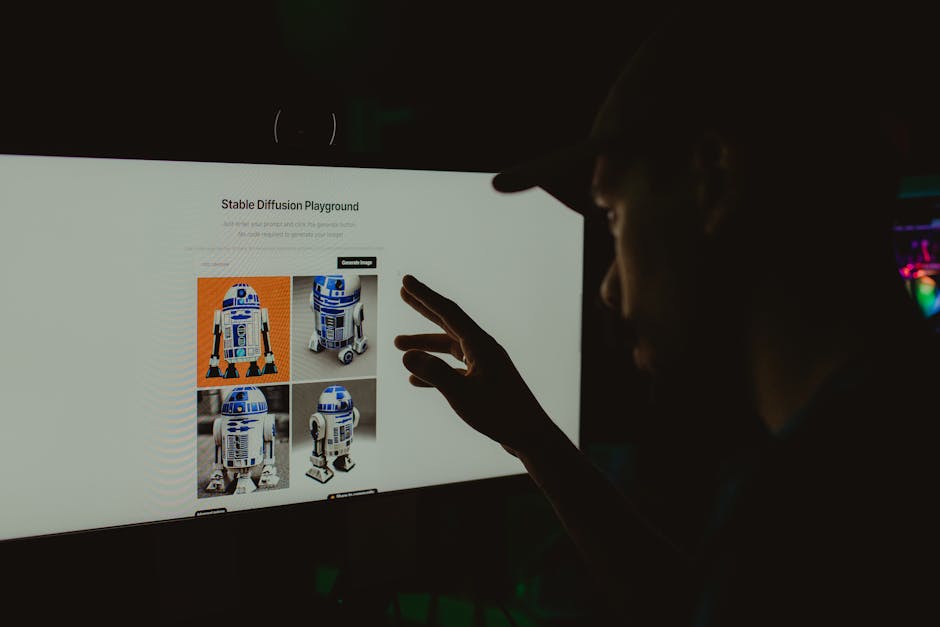
Apply the scorecard and this stops being an AI image generator comparison for gallery judges and becomes one for sellers.
| Tool | License /25 | Metering /25 | Cost per billable /25 | Channel fit /25 | Total |
|---|---|---|---|---|---|
| Adobe Firefly | 25 | 17 | 18 | 21 | 81 |
| Midjourney | 22 | 19 | 21 | 18 | 80 |
| Ideogram | 22 | 18 | 18 | 19 | 77 |
| OpenAI GPT Image | 24 | 15 | 16 | 21 | 76 |
| Leonardo | 23 | 16 | 17 | 16 | 72 |
Adobe Firefly (81) wins on the pillar that can disqualify everything else. Adobe trains Firefly on Adobe Stock, openly licensed, and public-domain content and offers IP indemnification to enterprise customers, per its enterprise legal FAQ. For sellers, that commercially safe posture is what gets output accepted in the one stock channel that reliably pays for labeled AI. Firefly credits cost the most on iteration-heavy work, where monthly allowances burn fast on retries.
Midjourney (80) produces the cheapest billable images on the board. Unlimited relaxed-mode generation on Standard plans and above keeps cost per sellable file low, and it tops that pillar outright. The license pillar loses points for one revenue-linked ceiling, detailed in the fine-print section below. Weaker text rendering costs it printable work.
Ideogram (77) is the specialist. Dependable text-on-image makes it the best AI image generator for KDP book covers and quote printables, two channels that pay repeatedly for one skill. Paid tiers clear the commercial bar. It wins no pillar and loses no dealbreaker.
OpenAI GPT Image (76) has the cleanest license language and the stingiest metering.OpenAI's terms of use state that you own the images you generate, including for commercial purposes, subject to its usage policies. Usage caps and per-image costs at volume drag both middle pillars despite elite text rendering.
Leonardo (72) rounds out the list. Its commercial usage guide states rights plainly. Token allowances that refresh on short cycles suit batchers better than monthly buckets do. Channel fit is the weak pillar: strong for mockups and print-on-demand art, thin for text-dependent deliverables.
Notice who is missing. Canva and self-hosted FLUX.1 dev are hobbyist favorites, and both are disqualified for resale businesses by fine print worth reading once before you build on either.
License Traps Hiding in the Fine Print
Four clauses quietly decide more side-hustle budgets than any model upgrade.
The Midjourney revenue escalator. Under Midjourney's Terms of Service, a company earning over $1 million in gross revenue that uses the service on its own behalf must subscribe to the Pro plan or above. Independent sellers on Basic or Standard retain broad commercial rights to their generations, so the Midjourney commercial license is rarely the blocker people fear. Treat the clause as a ceiling to budget for, not a reason to avoid the tool today.
FLUX.1 dev is free to run and barred to sell. The open weights most self-hosters grab are released under a non-commercial license, while the smaller schnell variant ships under Apache-2.0. A free model on your own GPU becomes the most expensive tool on this page if its license blocks the resale you built the pipeline for. Verify which weights you actually downloaded before listing anything.
Canva's standalone-resale bar.Canva's content license agreement permits commercial use of designs you create but restricts reselling its elements, AI outputs included, as standalone files. For a printable seller that line is the business model: the value has to live in your design and copy around the asset, not in the raw file itself.
Free-tier fine print varies by publisher. Some extend commercial rights to free-plan output, and Leonardo's policy is among the plainer ones about it. Others attach publicity rights or bar commercial use outright, and terms change without ceremony. Save a dated copy of the terms on the day you start selling, because the version you remember rarely counts as a defense.
Credit Metering and Cost Per Billable Image
Cost per generation is a hobbyist statistic. Cost per billable image is a seller statistic, and the distance between them is your cull rate.
From sticker price to sellable file
Cost per billable image = plan price ÷ (generations actually used × keep rate)
Assume a $30 monthly plan whose allowance covers about 1,000 generations. The numbers are chosen for round math; substitute your own plan and keep rate.
| Scenario | Generations used | Keep rate | Billable images | Cost per billable |
|---|---|---|---|---|
| Full allowance used | 1,000 | 20% | 200 | $0.15 |
| Weekend batcher, 60% used | 600 | 20% | 120 | $0.25 |
| Full allowance, harsh culling | 1,000 | 10% | 100 | $0.30 |
Sticker math says $0.03 per generation. At a one-in-five keep rate, the same plan yields sellable files at $0.15, five times the sticker, because cost per generation understates cost per billable image by the inverse of your keep rate. Keep one in ten and the multiplier is ten. The lever is the cull, not the coupon.
Why monthly resets punish bursty sellers
Most paid image plans reset credits monthly rather than rolling them over. A seller who batches 300 generations one weekend and spends the next two weeks listing forfeits every unused credit, which is exactly what the second row above models. Three defenses work: size the plan to sustainable monthly output rather than peak-month fantasy, prefer unlimited slow modes or short-cycle token refreshes when your calendar is spiky, and push pure volume work to per-image API pricing where nothing expires.
Where AI Images Actually Sell in 2026

Five channels pay, each with rules that decide whose output is welcome. Where you can sell AI generated images depends less on quality than on acceptance.
| Channel | What buyers pay for | The rule that shapes it |
|---|---|---|
| Etsy printables | Wall art, planners, party sets | Creativity standards permit AI-assisted work if you accurately represent how each item was made |
| Amazon KDP | Covers, interiors, low-content books | The publishing flow requires disclosure of AI-generated content |
| Labeled AI stock | Subscriptions and single downloads | Adobe Stock accepts AI submissions only when labeled generative AI, excluding restricted content such as identifiable people or trademarks |
| Client thumbnails | YouTube, ads, course slides | Disclosure lives in your client contract; speed beats exclusivity |
| Mockups and print-on-demand | Ecommerce listings, print on demand AI art | Platform policies vary; verify before uploading at volume |
The stock column is narrower than it looks. Getty's AI-free imagery policy bars generative AI submissions from contributors, so labeled-AI stock income concentrates in the platforms that accept it, Adobe Stock chief among them. AI stock image submission rules, not model quality, are the scarce resource, which is precisely why Firefly's training story scores so well on channel fit.
Match the Tool to Your Deliverable
Sellers do not buy generators. They buy deliverables, and each deliverable rewards a different strength.
| Deliverable | First pick | Why it wins the job |
|---|---|---|
| Etsy wall-art printables | Midjourney | Aesthetic ceiling sells AI images for Etsy printables, and relaxed-mode volume keeps cost per billable low |
| KDP covers and interiors | Ideogram or GPT Image | Text rendering you can trust on titles, spines, and page furniture |
| Labeled stock | Adobe Firefly | The training-data posture the accepting platform already trusts |
| Client thumbnails | GPT Image | Fast iteration, clean ownership language, text that stays legible at thumbnail size |
| Product mockups | Leonardo | Token economics at volume and consistent styling across a product line |
The pattern is the lesson. Text-heavy deliverables reward renderers that treat words as shapes. Aesthetic channels reward Midjourney. Compliance-gated channels reward whichever tool the gatekeeper already trusts. When your deliverable is missing from this table, score it against the four pillars before subscribing, because the disqualifying pillar is license or metering, not aesthetics.
Your First 30 Days of Billable Images
The month exists to buy two numbers, your keep rate and your cost per billable image, and one decision: scale, switch, or kill. Treat it as a pass/fail gate on those numbers, not a to-do calendar, and make every step feed the day-30 verdict.
- Days 1 to 7. Choose one channel and run the license check on the exact tier you would buy: confirm resale rights, save the dated copy, subscribe. One channel only.
- Days 8 to 14. Batch a fixed budget of 200 to 300 generations on one product line, cull hard, and record your keep rate. Then price yourself against the scenario table above: a $30 plan at a one-in-five keep lands near $0.15 per billable image, and harsher culling pushes you toward $0.30. The band you measure replaces the guess.
- Days 15 to 21. Disclosure pass, in checklist form: the Etsy listing states accurately how the item was made; the KDP disclosure is answered during publishing; stock uploads carry the generative-AI label. Nothing else ships this week.
- Days 22 to 30. Run the gate. Total your cost per billable image, channel fees, and production cost, and scale only if that sum stays under roughly one third of the listing price. A keep rate below one in ten fails outright, because under that floor the problem is the tool or the prompt loop, and effort does not fix it. Switch or kill, then re-test with a different setup.
Thirty days buys the two numbers no roundup hands you. The gate is what keeps you from scaling a line that only looked profitable.
AI Image Licensing Questions Sellers Ask
Can I sell images made with Midjourney?
Yes, on a paid plan, if you are an individual or a smaller company. The terms grant broad commercial rights to your generations, with the escalator requiring companies over $1 million in gross revenue to move up to Pro or Mega. It rarely touches side hustlers, but know the ceiling before you scale.
Does Adobe Firefly allow commercial use?
Yes. Adobe positions Firefly as commercially safe, trained on Adobe Stock, openly licensed, and public-domain content, with IP indemnification for enterprise customers. For stock contributors, that posture is worth more than any benchmark score.
Do any free AI image generators allow commercial use?
A few do, and Leonardo's policy is among the clearest about it. Treat any free tier as a trial bench regardless, because token caps and rate limits make free output expensive in hours even when the license is free in dollars.
Which AI image generators allow stock site submissions?
The gatekeeper is the library, not the generator. Adobe Stock accepts labeled generative AI with restricted content excluded. Getty does not accept contributor AI at all. Other libraries draw their own lines, and those lines move, so check current rules before each campaign.
How much does one billable AI image cost on a paid plan?
Roughly $0.15 to $0.30 in the worked scenarios above, against a $0.03 sticker. The range is your keep rate and your unused credits, and both are numbers you control.
Read any "best AI image generators 2026" headline the way a buyer reads a listing: pretty is a tiebreaker, sellable is the entry fee.
Stay in the loop.
Get the latest posts and exclusive content delivered to your inbox.
Join 20 readers. No spam. Unsubscribe in one click, anytime.
About the author
Hannah Cole
Senior Editor
Hannah writes practical guides on building income outside a day job, from selling online to beginner investing, with a focus on clear explanations and real benchmarks.
Related Posts
The 7 Best AI Agents of 2026, Ranked by What You Bank
The 7 best AI agents of 2026 for side hustles, re-ranked by cost per completed task, failure liability, and which ones can run billable client work.

AI Text Generators Ranked by Earning Power
AI text generators ranked by earning power for side hustlers, with subscription costs, billable deliverables, and break-even math for freelance work.
Best AI Website Builders Ranked for Side Hustle Income
We ranked the best AI website builders by real first-year cost, content lock-in, and conversion readiness, plus when to sell AI-built sites as a service.