Freelance Proposal Follow-Up That Recovers Lost Closes
Freelance proposal follow-up, priced: see what ghosted proposals cost your effective hourly rate, then run a 3-touch cadence that recovers lost closes.

Two weeks ago a founder ended your discovery call with "send it over and we'll get moving." You sent the proposal that same night. Since then, silence. You have reread the pricing page four times, rebuilt the timeline twice, and refreshed your inbox between bites of dinner. The instinct is to polish harder. The profitable move is to reprice. Freelance proposal follow-up is a pricing problem long before it is a writing problem: the research, the call, the draft, and the chase are unpaid client-acquisition labor, and every ghosted proposal drags the effective hourly rate of the entire side business. Price that labor honestly and three fixes fall out in order. A finite follow-up cadence with a real verdict date. Tracking signals you can actually trust. And a break-even test that settles, with your own numbers, whether any paid tool deserves a subscription.
Stay in the loop.
Get the latest posts and exclusive content delivered to your inbox.
Join 20 readers. No spam. Unsubscribe in one click, anytime.
Why Ghosted Proposals Are a Pricing Problem
Client ghosting of freelancers has become so routine it barely registers as rude. Buyers juggle vendors, gatekeepers change roles mid-thread, and a proposal that missed one meeting slips beneath fifty newer emails. Silence after the first send is normal pipeline behavior, not a review of your work. The danger for a part-timer is the accounting, not the awkwardness. An agency folds acquisition cost into its overhead. A freelancer logging 5 to 15 hours a week pays for acquisition out of the same narrow time budget that produces billable work.
Each proposal typically costs two to four hours across research, the discovery call, writing, and chasing. Calling that time "spare" is the trap. It competes with paid hours at full price, so it deserves full price in your math. Freelancer time-use data keeps confirming the pattern: substantial weekly hours disappear into non-billable work before a single deliverable starts. Until proposal hours are counted, the business quietly sells $50 labor at a discount and calls the discount marketing.
The Math of a Ghosted Proposal
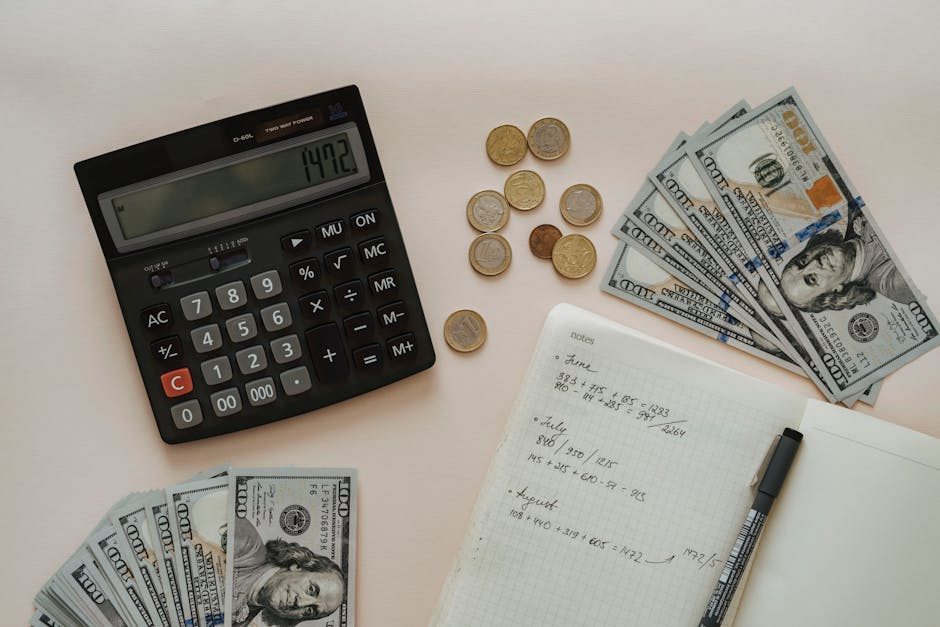
How to calculate your freelance effective hourly rate fits in one line: total revenue divided by every hour the business required, billable and not. Most freelancers know their headline rate and have never computed the real one. Run it with numbers close to a typical part-time book:
| Input | Example value |
|---|---|
| Billable hours per month | 30 |
| Headline rate | $50 per hour |
| Monthly revenue | $1,500 |
| Proposals sent per month | 4 |
| Hours per proposal (research, call, draft, chase) | 3 |
| Close rate | 1 of 4 |
The blended rate is $1,500 ÷ (30 billable + 12 acquisition) = $35.71. Your $50 rate is a $35.71 rate wearing a costume, and the gap widens every time a pitch goes silent, because the ghosted hours still happened.
Now price the ghosting directly. Four proposals at 3 hours each is 12 hours, or $600 of your time at the headline rate, to win one $800 client. That is a freelance client acquisition cost of 75 cents per dollar of first-project revenue, paid in hours instead of cash, which is exactly why it never shows up on a card statement.
cost per proposal       = hours per proposal × target hourly rate
acquisition cost/close  = proposals sent × cost per proposal ÷ closes
effective hourly rate   = total revenue ÷ (billable + acquisition hours)
The recovery math is the encouraging half. If a disciplined cadence converts one silent proposal per month into a second close, the same $600 acquires two clients and the acquisition cost per client halves to $300. The proposals were already written and already paid for in time; only the follow-through changed. To layer taxes and expenses on top of this base rate, a full effective hourly rate guide walks the complete stack.
The Freelance Proposal Follow-Up Cadence, Send to Verdict

Sales teams run multi-touch sequences for a reason: follow-up close statistics commonly report that a meaningful share of deals land only after the second or third contact. Silence at day two is an unmade decision, not a no. The answer to how to follow up on a proposal without being annoying is structural: a fixed number of touches, each one adding something the buyer can use, ending on a stated date. Every freelance proposal follow-up sequence needs a verdict point, or the chasing stays open-ended and unpaid.
| Touch | Day | Goal | The move |
|---|---|---|---|
| Send | 0 | Start the clock | Proposal states a decision date |
| Nudge | 3 | Confirm it arrived | Two sentences, one decision question |
| Value | 8 | Remove friction | New information or a trimmed-scope option |
| Verdict | 14 | Force the decision | Close-the-loop email, then stop |
The day-3 nudge is a proposal follow-up email with a single job, surfacing the sticking point.
Subject: Does the timeline work?
Hi Sam, resurfacing the proposal in case it slipped down the stack. One question so I can hold a start slot: does the March 3 date work on your side? If the number is the sticking point, I can quote a leaner scope the same day. A quick yes, no, or "need another week" is all I need.
The day-14 message is the close of the sequence and the definitive answer to when to stop following up on a proposal. This email, then archive.
Subject: Closing the loop Friday
Hi Sam, Friday I'm taking this proposal off my calendar and releasing the slot. If you want to move ahead, reply before then and I'll hold the rate and start date. If it's a no, a one-line reply genuinely helps me stop guessing. If the project is paused rather than dead, say so and I'll check back next quarter. Thanks either way.
If the verdict date passes with no reply, mark it no, archive the thread, and keep the door open with a light quarterly check-in. What to do when a client ghosts your proposal turns out to be a short list: run the sequence, read the signals, and spend zero minutes between touches worrying.
Reading Open and View Signals Without Overreading Them
Open and view data is a routing signal, not a verdict. It tells you which move comes next, never whether you are liked.
| Signal by day 3 or 4 | Most likely meaning | Next move |
|---|---|---|
| Opened more than once, no reply | Real deliberation, an internal champion, or a competing bid | Decision-focused nudge, offer 15 minutes |
| Opened once instantly, then nothing | Skimmed on a phone | Put pricing and deadline in the email body |
| No open recorded | Delivery or priority problem, or a false negative | Switch channel or subject line, ask if it landed |
The limits matter as much as the data. Image blocking and corporate proxies suppress the tracking beacon entirely, while privacy features like Apple Mail Privacy Protection can pre-fetch it and muddy the signal in both directions. Understanding how open tracking pixels work explains the false negatives and the preview-pane false positives alike. An absent open is never proof of disinterest; treat it as "undelivered or deprioritized" and test the channel before concluding anything. On duration, proposal viewing-time data published by tracking vendors commonly shows prospects skimming rather than studying, with total view time measured in minutes. That is an argument for pricing on page one, not for a longer deck.
Document Tracking That Protects Your Rate
Four habits make the cadence legitimate and your rate defensible:
- One canonical link, never an attachment. Attachments create version chaos and return zero signal.
- Version control. Change the scope, ship a new link, kill the old one so nobody quotes a stale price back at you.
- Revoke access after the verdict. Your thinking is your product, and expired links keep it that way.
- Put an expiration date on the offer itself.
That last habit carries the most weight. Deadline urgency research from negotiation studies finds deadlines move decisions when they feel real, tied to capacity, calendar, or pricing, rather than arbitrary. A stated decision date gives every follow-up a legitimate reason to exist: the rate and the start slot hold until the 15th, and then they don't. One compliance note if your outreach ever goes automated at volume: the FTC CAN-SPAM guide sets the US baseline for commercial email, including honest subject lines and working opt-outs.
Do Proposal Tracking Tools Pay for Themselves?
One formula decides it. A tool pays for itself when incremental recovered closes times average project value exceeds the subscription. The load-bearing word is incremental, measured against your free stack of a spreadsheet plus free link tracking, not against doing nothing.
| Tier | Illustrative monthly cost | What it adds | One $800 close covers |
|---|---|---|---|
| Spreadsheet + free link tracking | $0 | Touch dates, view counts, verdicts | Nothing to recover |
| Standalone doc tracker | $10 | View alerts and view duration | 80 months |
| Proposal suite (templates, e-sign, CRM) | $25 to $45 | Analytics, reusable templates, signing flow | 18 to 32 months |
Does proposal tracking software pay for itself? The arithmetic is rarely the obstacle. At an $800 average project, one extra close per year funds most entry plans outright, and suites like PandaDoc price their entry tiers with exactly that math in mind (the PandaDoc pricing page has current numbers). The real question is behavioral. At three to six proposals a month, will suite analytics change what you do next compared with a free view counter? Usually not. Volume changes the answer: twenty proposals a month or $5,000 tickets make templates, alerts, and signing flow worth real money. Start free, and let your close data promote you.
Mistakes That Keep Proposals Ghosted
Most silence is self-inflicted somewhere upstream. Six recurring causes:
- No decision date, which removes the buyer's reason to act and yours to follow up.
- Wall-of-text PDFs with pricing buried on page six, punished by two-minute skim behavior.
- Attachments instead of links, which surrender all signal and invite version chaos.
- Endless chasing, six "just bumping this" emails that price your time at zero.
- Discounting inside a follow-up, which teaches every client that waiting earns a cut.
- Reacting to phantom opens, chasing an "unopened" proposal the tracker simply failed to record.
Your One-Hour Follow-Up System
The whole freelance proposal follow-up apparatus above compresses into sixty minutes of setup.
- 15 minutes: run the rate math. Hours per proposal, close rate, effective hourly rate, cost per close. One session, real numbers.
- 10 minutes: calendar the cadence. For every open proposal, schedule the day-3, day-8, and day-14 touches now, verdict included.
- 15 minutes: build the tracker. Seven columns: client, sent date, hours, decision date, touches sent, view count, verdict.
- 10 minutes: settle the tool question. Run the break-even formula with your own average project value. Most part-timers stay free until volume argues otherwise.
- 10 minutes: set the weekly review. One 20-minute slot that caps unpaid chasing. Anything unresolved gets the verdict email, not another week of wondering.
Back to the founder who went quiet. This week she gets touch two, a leaner scope option, and a real deadline. Next Friday she produces a yes, a no, or silence that finally counts as an answer. Either way you are done, your $35.71 blended rate has a recovery path, and the next proposal goes out with its verdict already scheduled. Price the pitch, sequence the chase, and never let silence set your rate.
Stay in the loop.
Get the latest posts and exclusive content delivered to your inbox.
Join 20 readers. No spam. Unsubscribe in one click, anytime.
About the author
Dana Whitfield
Staff Writer
Dana covers the many ways people earn more, including quick-money apps, service-based work, digital products, and passive income, using rate surveys, marketplace data, and industry research.
Related Posts

Freelance Income Streams Ranked by Real Hourly Pay
Freelance income streams ranked by real hourly pay. We price all six streams in one six-figure portfolio career and name the one to copy first.

What a Direct Mail Side Hustle Really Pays
A direct mail side hustle pays a real wage only when clients renew. See the full cost stack, the honest hourly math, and four ways to price the work.

Freelance Referral Networks vs Upwork and Cold Outreach
A freelance referral network beats Upwork bidding and cold outreach on spare hours and fee drag, with a 90-day reciprocity playbook for side hustlers.