Holiday Side Gigs Ranked by Hours Needed to Earn $1,000
Holiday side gigs ranked by real seasonal pay, including the committed hours to clear $1,000, application lead times, and which gigs survive January.
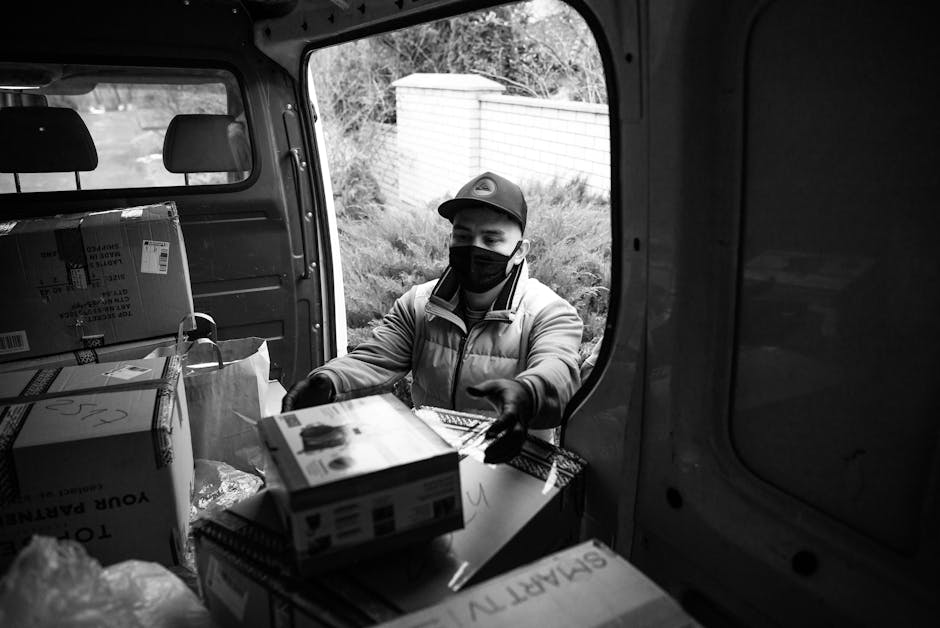
Every December, the same roundup gets republished with fresh dates: ten gigs, an hourly figure beside each, an implied promise that the season pays. The figures are mostly real. The ranking still misleads, because the seasonal premium is unevenly distributed, winter costs take a cut before the money reaches you, and the best-paying option is often the one whose application window already closed. This guide ranks five holiday side gigs by a stricter metric instead: committed hours needed to net a fixed budget of $1,000, with unpaid onboarding priced in and the calendar run backward from Black Friday.
Stay in the loop.
Get the latest posts and exclusive content delivered to your inbox.
Join 20 readers. No spam. Unsubscribe in one click, anytime.
The $1,000 target is realistic, not arbitrary. Planned average holiday spending has run near $900 in recent NRF holiday spending data, and averages flatten the spread, since plenty of households pass four figures once travel, food, and decorations are counted. Whatever your true number is, the method holds: convert the budget into hours, then check whether you can still get hired in time to work them.
Why a $1,000 Budget Beats an Hourly Headline
Three problems make hourly rankings unreliable between October and December.
- The premium is concentrated. Do delivery drivers earn more during the holidays? Usually yes, but in a narrow window. Order volume in most US metros builds from mid-November and holds through Christmas Eve, with Thanksgiving week and the final two weekends doing outsized work. Season averages hide that spike.
- Costs scale with the season. Seasonal delivery driver pay looks best exactly when its largest expense peaks. Winter mileage, vehicle wear, and unpaid onboarding hours are all at their worst in the same weeks the rates are at their best, so a $25 headline can behave like $15 against your budget.
- Lead times decide availability. Seasonal hiring for retail and package logistics concentrates between September and November, so by mid-November the question changes from which gig pays most to which gig you can still start.
A fixed budget flips the analysis. Asking what nets $1,000 in the fewest committed hours you can actually schedule produces a different ranking than asking what advertises the highest rate, and it surfaces the January problem early, because some of these income streams end the week after Christmas. That belongs in the decision, not in a January surprise.
The Math From Headline Pay to Committed Hours
Two formulas do all the work, and both are rerunnable with your own numbers:
net hourly = peak gross rate - (business miles per hour x mileage rate)
committed hours = (budget / net hourly) + unpaid onboarding hours
A worked example for food delivery in a mid-cost metro:
- Peak gross, including tips: $22 per hour
- Business miles per hour: about 12
- Mileage cost at the IRS rate: 12 × $0.725 = $8.70 per hour
- Net hourly: $22 minus $8.70 = $13.30
- Paid hours to reach $1,000: $1,000 ÷ $13.30, roughly 75
- Committed hours: 75 plus about 2 hours of unpaid app setup = 77
For a W-2 job with no business mileage, net hourly simply equals the wage, but unpaid orientation (commonly two to five hours) and round-trip commutes still add to committed time. By this math, a $16 retail job costs about 66 committed hours and a $20 package handler job about 53.
Treat these as planning numbers, not quotes. All figures are before income tax, and tax hits the two paths differently: W-2 wages get payroll withholding, while 1099 gig pay owes self-employment tax that the mileage deduction only partly offsets. Every input varies by metro, and peak gross should be read as a full-shift average, because cherry-picked surge hours cannot be scheduled in bulk.
Five Holiday Side Gigs Ranked by Hours Needed to Clear $1,000

Depending on gig type and your net rate after costs, clearing $1,000 can take roughly 30 to 70 committed hours, with disciplined scheduling in a strong market near the floor and mileage-heavy winter setups stretching past it. That spread alone can change which gig you should pick, which is why the table below ranks in hours rather than headline rates, and it doubles as a direct answer to how many hours to make $1,000 with holiday gigs in a typical mid-cost metro.
| Rank | Gig | Peak gross | Main drag | Net hourly | Committed hours |
|---|---|---|---|---|---|
| 1 | Package handler or driver helper | $18 to $22 | unpaid orientation, commutes | $18 to $22 | about 53 (48 to 59) |
| 2 | Rideshare, peak blocks only | $26 to $32 | 15 to 17 business miles per hour | $14 to $19 | about 62 (57 to 75) |
| 3 | Seasonal retail | $15 to $17 | unpaid onboarding, thin midweek hours | $15 to $17 | about 66 (63 to 71) |
| 4 | Food delivery | $20 to $25 | 11 to 14 business miles per hour | $12 to $16 | about 77 (64 to 85) |
| 5 | Grocery delivery | $18 to $24 | store time plus 10 to 13 miles per hour | $11 to $15 | about 79 (69 to 93) |
1. Package handling and driver helper
The most plannable path in seasonal work: scheduled shifts, a fixed wage, and no personal vehicle in the earning loop. Advertised rates for driver helper, package handler, and warehouse associate roles typically land in the high teens to low twenties, whether you compare UPS seasonal roles, Amazon seasonal job listings, USPS peak season jobs, or FedEx package handler roles. That predictability is why this category clears $1,000 in the fewest committed hours despite an unglamorous headline rate. The trade-offs are physical work, early starts, and a hard application deadline.
2. Rideshare, peak blocks only
Second place comes with an asterisk. Peak demand from mid-November through Christmas Eve can lift rideshare earnings above the annual baseline, and airport runs plus the last shopping weekends can clear well above the table midpoint. The rank assumes you cherry-pick those blocks; drivers who stay online through slow weekday afternoons drift toward retail parity or worse, because 15 to 17 business miles per hour at the IRS rate is a constant drag. Highest headline of the five, least forgiving schedule discipline.
3. Seasonal retail
The low-key pick that outperforms its headline. No business mileage, an employee discount that quietly stretches the budget, and evening or weekend shifts that fit around a day job. Thin midweek hours dilute the effective rate, which is why holiday retail jobs sit mid-table despite the lowest advertised pay of the five. The real edge arrives in January, where conversion odds are best.
4. Food delivery
The lowest-friction start in gig work, and DoorDash's own holiday dashing tips amount to a map of the peak: stack lunch and dinner windows, expect restaurant bottlenecks, and expect the surge to fade after December 24. Onboarding is quick and check lag is short, which makes this the natural triage option for late starters. Winter mileage is the tax: 11 to 14 business miles per hour turns a $22 gross into a $13-something net.
5. Grocery delivery
Batch pay during the peak can be genuinely strong, and heavy pre-Thanksgiving orders pay well. But unpaid store time (shopping, checkout, waiting on the next batch) plus 10 to 13 business miles per hour make this the least efficient use of committed hours in most markets. Rank it last on hours even when the gross looks competitive.
What Eats the Seasonal Premium
Winter mileage and vehicle wear
The IRS set the 2026 business mileage rate at 72.5 cents per mile, up from a band of roughly 65 to 70 cents in recent years. That one figure prices fuel, maintenance, depreciation, and insurance together, and winter delivery driving mileage costs get worse exactly when earnings peak: cold starts, idling for warm orders, and holiday traffic stretching every mile into minutes. At 72.5 cents, a gig burning 12 business miles per hour surrenders $8.70 of every gross hour, a margin big enough to reorder the entire table.
Unpaid onboarding and store-rush hours
Background checks, orientation videos, document uploads, and app setup typically consume two to five hours before the first paid hour, on both W-2 and 1099 paths. Platform work adds its own store-rush problem: hours logged in a parking lot waiting for a batch count as committed time even though no app totals them. Scheduled hours flatter every gig, and committed hours expose them.
Background-check lag
Platform checks commonly resolve within days but can stretch to a couple of weeks when county records are slow, and DoorDash's background check FAQ describes exactly that variance. W-2 employers layer orientation scheduling on top of screening. A November 20 application with a slow check misses Thanksgiving week entirely, which is the most common way late planners lose the premium.
How the deductions reshuffle the ranking
On headline pay, the order reads rideshare, food delivery, grocery delivery, package handling, retail. After pricing mileage, unpaid hours, and check lag, package handling leads by a wide margin, retail climbs from last into the middle, and both delivery apps sink. The jobs did not change; the metric did.
The Application Calendar, Counting Backward From Black Friday

Black Friday 2026 lands on November 27, so the useful question is blunt: from today, how many peak days can you still capture? NRF seasonal hiring forecasts have retailers and shippers adding hundreds of thousands of temporary workers in a typical year, and most Black Friday seasonal hiring wraps by mid-November. Knowing when to apply for seasonal jobs before Black Friday comes down to counting backward from the peak:
| Gig | Last responsible application | Why |
|---|---|---|
| Package handler or driver helper | late October into the first week of November | screening, orientation, and a scheduled start before Thanksgiving week |
| Seasonal retail | mid-November for the full season; early December for a short stint | training and schedule ramp eat one to two weeks |
| Gig platforms (food, grocery, rideshare) | mid-to-late November; early December still catches peak windows | background-check lag runs days to weeks |
The heuristic that beats the table: multiply your realistic net hourly by the peak hours left after your probable start date, then compare the product against $1,000. If it falls short, start sooner, pick a gig with shorter onboarding, or plan on early January's returns season to close the gap.
Reading This in Late November or December?
Late is relative, and which holiday side gigs are still startable depends on which door remains open.
Still startable. Gig platforms when your check clears fast (food delivery has the quickest onboarding of the five), last-wave retail hiring for weekend floor coverage through December 24, and profile-based seasonal side hustles such as furniture assembly or holiday light installation, where onboarding is a profile rather than a payroll process. These are the holiday gigs still hiring in late November in most metros.
Effectively closed. Driver helper classes and most warehouse cohorts with fixed start dates are the holiday gig jobs that close first. Applying in December mostly queues you for January, which only helps if a January paycheck is acceptable.
Run the December math before committing. Starting December 10 at a $14 net leaves roughly 15 workable days before Christmas, so even 20 committed hours a week falls short of $1,000 by December 24. The fix is scope, not effort: aim the same hours at early January, when returns processing and New Year's Eve demand can extend the season, or accept a smaller pre-Christmas number and pair it with one of the winter side jobs above.
The January Cliff: Which Gigs Survive the New Year
BLS holiday employment trends document a decades-old pattern: retail employment builds through the fall, peaks in December, and sheds workers in January. Each gig meets that cliff differently.
- Ends outright. Most seasonal retail and package roles simply conclude, which is fine when the budget was the whole point.
- Converts to permanent. A share of seasonal retail and warehouse hires get retained, making these the seasonal jobs that turn into year-round work, and the only holiday gigs that can pay twice, once for the season and once for the year. Ask about conversion rates and retained headcount during the interview, because employers rarely volunteer them.
- Continues at lower demand. Year-round platforms do not end in January, but their demand does. Earnings often fall back toward the non-holiday baseline soon after New Year's Eve's brief spike, and that drop is the income cliff.
If you need money past January, weight conversion odds above net hourly. If the $1,000 was strictly seasonal, ignore the cliff and take the fastest committed-hours path still open.
A Ten-Minute Decision Plan
Four questions, one answer.
- What is the exact number? Default to $1,000, or replace it and every figure in the table converts proportionally.
- How many committed hours can you actually schedule before December 24? Count commutes and onboarding, not just clocked time.
- Does the calendar still allow it? Check the application table above. If remaining peak days times net hourly falls short of the budget, move to a faster-onboarding gig or plan the gap into early January.
- What happens in January? If you want year-round work, weight package and retail conversion odds. If you want zero obligation, take the platform gig and let demand wind down on its own.
The default pick for most readers: apply to a package handler or driver helper role this week while the window is open, and run a food delivery application in parallel as insurance. If the window has closed, the triage path is food delivery plus a late retail stint with January priced in from the start. Rank by hours, apply by calendar, and the January cliff becomes a line item instead of a surprise.
Stay in the loop.
Get the latest posts and exclusive content delivered to your inbox.
Join 20 readers. No spam. Unsubscribe in one click, anytime.
About the author
Ryan Callahan
Staff Writer
Ryan reports on extra-income opportunities and personal finance, including side hustles, money-making apps, and investing basics, with a focus on clear, practical analysis.
Related Posts

Get Paid to Play Games? That Was $5.60 an Hour
We audit Gemsloot's $37.25 payout into real hourly pay, then give you a five-minute formula to price any get paid to play games offer before you play.

Work From Home Transcription Jobs and the Real 2026 Pay Math
Work from home transcription jobs still advertise $15 to $30 an hour. The per-audio-minute math says otherwise. See real hourly pay for five platforms.

Get Paid to Do Laundry? The Real Hourly Rate Math
Get paid to do laundry with real math: see how Sudshare, Poplin, and Hampr payouts shrink after mileage, supplies, and folding time, ranked by hourly rate.