Rent Backyard for Passive Income Stack to $865 Monthly
Rent backyard for passive income by stacking Sniffspot, Neighbor, and PeerSpace on one plot to multiply per-square-foot yield after platform fees.
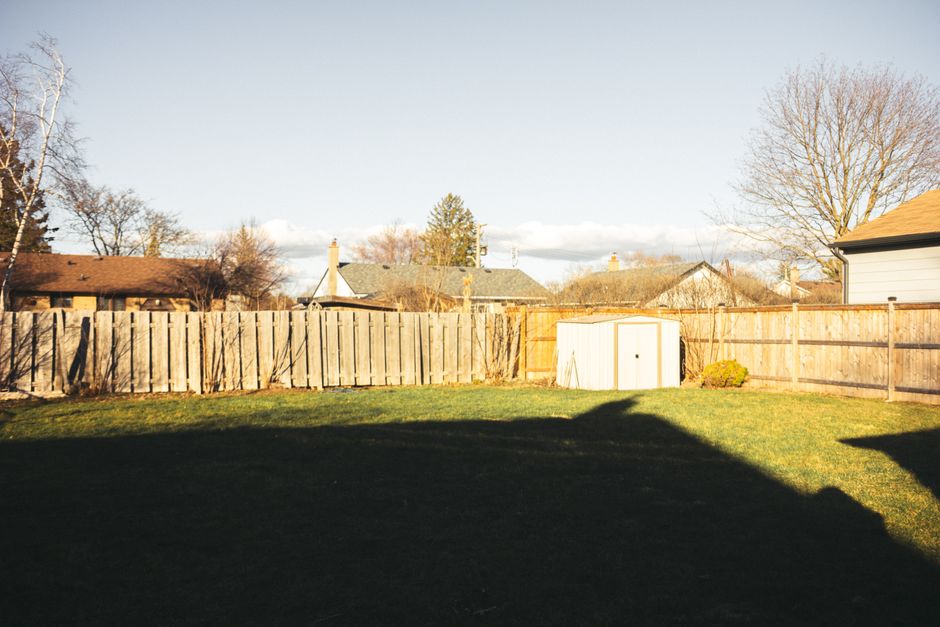
If you want to rent backyard for passive income, most guides point you toward a single platform, a single listing, and a single use. They quote headline numbers without breaking down the rate, square footage, platform fees, or insurance gaps behind the figure. The result is a listing that competes for one narrow use and caps your income at whatever that one platform's ceiling happens to be.
Stay in the loop.
Get the latest posts and exclusive content delivered to your inbox.
Join 13 readers. No spam. Unsubscribe in one click, anytime.
The approach that actually multiplies yield is different. You treat each square foot of backyard as a time-shareable asset and stack three or four compatible, non-overlapping uses across the week. Dog exercise access through Sniffspot on weekday mornings. Photo shoot or event space rentals on weekends through PeerSpace. Vehicle or equipment storage running continuously through Neighbor. Seasonal garden plot leasing for the growing months. Combined, these push effective per-square-foot returns well beyond what any single platform delivers on its own.
Why One Platform Caps Your Backyard Income
When you list your backyard on one platform, you optimize for one revenue stream occupying a narrow time window. A Sniffspot booking fills an hour or two on weekday evenings. A PeerSpace photo shoot occupies a Saturday afternoon. Neighbor storage is continuous but pays a flat monthly rate tied to the local self-storage market. Each one alone leaves the other 160 hours of the week, and all the other use cases your land could serve, completely unmonetized.
The opportunity cost compounds. New residential lots keep shrinking as builders maximize density, which means every square foot you own carries more relative value than it did a decade ago. If you only rent that land for one purpose, you leave the rest of its earning potential unrealized.
Single-platform thinking also obscures the economics. Each platform has a different take rate, different insurance structure, and different host involvement requirements. Choosing without comparing means you might pick the easiest listing to set up but not the one that pays the most per square foot of land you actually control.
Backyard Rental Platforms Compared Per Square Foot
If you are asking which backyard rental platform pays the most, the answer depends on how you measure. Hourly rate alone is misleading. The better metric is effective yield per square foot after platform fees, insurance gaps, and the hours of personal involvement each booking demands.
The rate ranges below reflect a blend of platform-published guidance and host-reported earnings across markets, not verified minimums. Local demand, lot characteristics, and amenities like fencing quality or natural light drive actual pricing heavily. The yield-per-square-foot column is an illustrative projection based on assumptions detailed in the projection section.
| Platform | Typical Rate | Fee Structure | Host Effort | Insurance | Yield Per Sq Ft |
|---|---|---|---|---|---|
| Sniffspot | $5 to $15 per dog per hour (urban density, fencing quality) | Booking fee charged to guest | Low (self-serve yard access) | Limited; host liability primarily | ~$0.03 |
| Neighbor | Varies by local storage market (lot access, self-storage rates) | Service fee per booking | Low (month-to-month, minimal contact) | Limited host protection | ~$0.01 |
| PeerSpace | $50 to $300+ per hour (production value, natural light) | Percentage of each booking | High (staging, guest management) | Platform insurance for booked events | ~$0.03 |
| Hipcamp | $20 to $100+ per night (site privacy, amenities) | Platform fee per booking | Medium (check-in, site upkeep) | Host liability questions remain | ~$0.02 |
| Garden leasing | $20 to $75+ per plot per month (soil quality, waitlist depth) | No platform fee (direct) | Low to medium (water, seasonal) | None unless arranged | ~$0.01 |
The yield-per-square-foot figures above are illustrative projections derived from the assumptions in the projection section, not observed market averages.
Sniffspot host earnings depend on location, yard size, and amenities like secure fencing, water access, and agility equipment. Hosts in denser suburbs with limited public dog parks tend to earn more because demand outpaces supply. The platform charges a booking fee to guests on top of your listed rate, which keeps your advertised price closer to what you actually take home.
Neighbor storage host income runs month to month and tracks the local self-storage market. Urban and suburban areas with tight storage inventory generally outperform rural listings because rising self-storage rates nationally lift the ceiling for what hosts can charge in competitive areas.
PeerSpace commands the highest hourly rates of common backyard rental platforms, but it demands the most from hosts. You need a space that photographs well, willingness to manage guests on-site, and flexible availability for weekday production bookings. The trade-off is that a single weekend shoot can match what an entire month of dog bookings generates.
The key insight: effective per-square-foot yield improves significantly when you stack two or three non-overlapping uses. Fixed costs like fencing upgrades, landscaping, photography, and listing setup spread across multiple revenue streams instead of being borne by one.
The Stacking Framework for Compatible Land Uses

Stacking works because different revenue streams naturally occupy different time windows. Dog exercise happens in weekday mornings and evenings. Photo shoots cluster on weekends. Storage runs continuously without conflicting with intermittent access. Garden plots operate on a seasonal cycle that barely overlaps with event bookings. When you understand how to stack backyard rental income streams, the scheduling logic becomes straightforward.
Rule 1: Match Uses to Land Characteristics
Start by inventorying what your backyard actually offers. A fully fenced yard with double-gated access is ideal for Sniffspot but unnecessary for PeerSpace. A flat, well-lit area with attractive landscaping suits photo shoots. A gravel or concrete pad works for vehicle storage. Existing raised beds or fertile soil support garden leasing. You do not need every use. You need the two or three that fit your specific terrain and neighborhood demand.
Rule 2: Schedule Non-Overlapping Time Windows
The stacking calendar below shows how four uses coexist on one plot across a typical week without conflict.
| Time Block | Mon | Tue | Wed | Thu | Fri | Sat | Sun |
|---|---|---|---|---|---|---|---|
| 7 to 9 AM | Sniffspot | Sniffspot | Sniffspot | Sniffspot | Sniffspot | Shoot prep | Shoot prep |
| Midday | Storage access by appointment | Storage | Storage | Storage | Storage | Photo shoot | Photo shoot |
| 5 to 7 PM | Sniffspot | Sniffspot | Sniffspot | Sniffspot | Open | Open | Sniffspot |
| Overnight | Storage | Storage | Storage | Storage | Storage | Storage | Storage |
Garden plots operate continuously March through October with tenant access that does not overlap scheduled dog or event windows.
Rule 3: Eliminate Use Conflicts Before They Happen
Some combinations do not mix. A garden plot conflicts with off-leash dog access if dogs can reach the growing beds. Vehicle storage blocks the sightlines a photographer needs. Event rentals and overnight camping create noise and parking conflicts if scheduled simultaneously. The stacking strategy only works when you can physically separate incompatible uses or time-separate them so thoroughly that no overlap is possible.
Platform Setup and Realistic Earning Ranges
The economics of stacking favor sequential addition. Fencing, photography, access logistics, and insurance groundwork are costs you bear once. Each subsequent stream reuses that infrastructure, so the marginal effort of adding a third or fourth use is a fraction of the first. See the projection table later in this article for the earnings math behind specific rate and booking assumptions.
Sniffspot: The Morning and Evening Anchor
Sniffspot is typically the first stream because it requires a safely fenced yard, the same infrastructure every other stream benefits from. It fills weekday mornings and evenings, leaving midday and weekends open for higher-value uses. The non-obvious detail: booking frequency depends less on yard size than on neighborhood dog density and the quality of your fence photos. A listing with clear entry-point shots and amenity details converts better than one showing open grass. You can start a Sniffspot listing once fencing is secure and photographed.
Neighbor: The Continuous Baseline
Neighbor fills the hours nothing else uses. Once fencing and access logistics exist for Sniffspot, adding a vehicle pad or storage corner requires almost no new infrastructure. The stream runs month to month without your active presence. The operational detail most hosts miss: Neighbor pricing tracks local self-storage rates, so checking nearby facility prices before listing gives you a defensible rate rather than a guess. Neighbor hosting basics cover listing setup, pricing guidance, and payout schedules.
PeerSpace: The Weekend Revenue Spike
PeerSpace occupies the weekend block that Sniffspot and Neighbor do not use. The shared infrastructure is the same fenced, photographed yard, but PeerSpace demands staging, on-site guest management, and flexible availability for production crews. The detail the comparison table does not surface: PeerSpace bookings often require power access, restroom availability, and parking for crew vehicles, which means your storage layout needs to accommodate or yield to weekend productions. PeerSpace event insurance covers booked sessions, which is one reason the platform justifies premium hourly rates.
Garden Leasing: The Seasonal Layer
Garden plots run March through October and use arable soil that the other three streams do not touch. If you already have raised beds or fertile ground, the marginal cost is a hose connection and a simple access schedule. The non-obvious insight: community garden waitlists in many cities run years long, so a well-priced plot leases quickly through local gardening groups or Nextdoor without any platform fee. Tenant access rarely overlaps with dog, storage, or event windows because gardeners come during daylight hours on their own schedule.
Zoning, Insurance, and Tax Obligations
This is where hosts get into real trouble. Handle it before your first booking, not after.
Check Zoning Before You List
Call your local zoning office and ask whether paid recreational use, storage rental, or event hosting is permitted in your residential zone. Many municipalities restrict or prohibit commercial activity on residential land, and the classification depends on how your locality interprets each activity. Loudoun County's zoning ordinance is one example of how counties publish these rules. Search your own county or city page for home occupation, accessory use, or short-term rental provisions.
Close the Insurance Gap First
Standard homeowners policies typically exclude business activity on residential property. If a paying guest is injured during a booked session, your standard policy may deny the claim entirely. This is the single largest financial risk in backyard renting. Three tools can close the gap.
Platform insurance. PeerSpace and some other platforms carry liability coverage for bookings made through their systems. Hipcamp's host insurance guidance illustrates how platforms address, and sometimes do not fully resolve, this question.
Umbrella policies.Umbrella insurance for rental properties extends liability beyond standard policy limits and can sometimes cover rental activities. Confirm with your insurer that backyard rental qualifies before relying on it.
Liability waivers.Hold harmless agreements can reduce exposure for recreational use, though enforceability varies by state and they do not replace insurance. Once you run multiple streams, consider forming an LLC to isolate personal assets, though that adds filing costs and administrative overhead.
Report Rental Income to the IRS
Rental income from backyard platforms is generally taxable. IRS Publication 527 covers residential rental property reporting, including personal-use property rented part-time. If a platform processes sufficient transaction volume, it may issue Form 1099-K. The 1099-K reporting thresholds have shifted as IRS rules changed, so verify current requirements with a tax professional. The obligation to report exists whether or not you receive a 1099.
A Stacked Backyard Income Projection
Consider a quarter-acre suburban backyard, roughly 10,890 square feet, with a fenced area, a concrete pad, and existing raised beds. Here is how three compatible streams might combine monthly.
| Revenue Stream | Assumption | Monthly Gross |
|---|---|---|
| Sniffspot | 8 bookings per week at $10 per hour, one dog | $320 |
| Neighbor storage | One vehicle space at $85 per month | $85 |
| Garden leasing | 4 plots at $40 per month each (Mar to Oct) | $160 |
| PeerSpace | 2 photo shoots per month at $150 each | $300 |
| Combined monthly gross | $865 |
This is a projection with assumptions spelled out, not a guarantee. Real numbers depend on your market, land characteristics, and listing consistency. The structural point matters more than the specific figures: four modest streams on one quarter-acre plot produce a combined total that no single platform would deliver at the same per-hour effort from you.
The effective per-square-foot yield on $865 monthly across 10,890 square feet is roughly $0.08 per square foot per month. A single Sniffspot listing earning $320 monthly on the same land would yield about $0.03. Stacking roughly tripled the per-square-foot return without acquiring any additional land.
Your 30-Day Plan to Rent Backyard for Passive Income
Days 1 to 7: Inventory and Compliance Walk your property and note fencing condition, access points, existing amenities, and conflict zones. Call your local zoning office and ask whether paid recreational use, storage rental, or event hosting is permitted in your residential zone. Call your insurance agent and ask whether your policy covers commercial activity, and if not, what it would take to close the gap.
Days 8 to 14: Launch the Lowest-Friction Stream List on the platform with the fastest path to a first booking. For most hosts that is Sniffspot (if you have a fenced yard) or Neighbor (if you have storage space). Take clear photos, write an honest description, and price slightly below local comparable listings to build reviews.
Days 15 to 21: Add a Complementary Stream Once the first listing is generating bookings, add a stream that occupies a different time window. If you started with Sniffspot for weekday mornings and evenings, add Neighbor for continuous storage that does not conflict. The goal is to verify that two streams can coexist operationally before adding a third.
Days 22 to 30: Evaluate and Expand Review your first month. Which stream generated the most revenue per hour of your effort? Which had the lowest friction? Use that data to decide whether to add PeerSpace or garden leasing. Not every backyard needs four streams. Two well-chosen ones can outperform four poorly matched ones.
The compounding advantage of stacking is that each stream you add costs less marginal effort than the one before it. The land, the fencing, the photos, and the insurance groundwork are already done. That is how you rent backyard for passive income in a way that scales instead of capping out.
Stay in the loop.
Get the latest posts and exclusive content delivered to your inbox.
Join 13 readers. No spam. Unsubscribe in one click, anytime.
About the author
Marcus Reed
Staff Writer
Marcus writes about side hustles and extra income, from gig apps and freelancing to online business and investing, drawing on public data, platform reports, and reputable sources.
Related Posts

Real Estate Syndication Due Diligence for Side Hustle Money
Real estate syndication due diligence for side hustlers: run the sponsor fee stack, test the flat-deal math, and know when a REIT fund beats the deal.

Small Machines That Make Money Ranked By Real Profit
Discover the real profit behind small machines that make money. We rank vending, ATMs, and more by true hourly wage after hidden ownership costs.

Stash Investing App Fees Cost 12% to 144% at $100
Stash investing app fees run 12% to 144% of a $100 balance per year. See the drag math from $100 to $5,000 and when to graduate to a free broker.