The Realistic TikTok Live Print-on-Demand Playbook
Skip the viral lottery. Learn the real mechanics, startup costs, and 30-day ramp required to build a profitable TikTok Live print-on-demand side hustle from scratch.

A headline about a single TikTok Live generating $40,000 in one night is great for clicks. What those posts skip is the 60 days of single-digit-view streams, the rejected product listings, and the shipping-policy violations that can freeze your store before you sell a single shirt.
Stay in the loop.
Get the latest posts and exclusive content delivered to your inbox.
Join 13 readers. No spam. Unsubscribe in one click, anytime.
Building a TikTok Live print-on-demand side hustle that actually pays is not about catching lightning in a bottle. It is about clearing compliance hurdles, wiring up a Printful or Printify backend, investing $50 to $150 in physical samples, and grinding through a 30-day audience-building period before your first Live ever converts. Here is the step-by-step breakdown of what TikTok actually requires, what it costs, and what the daily workflow looks like when nobody is watching yet.
The Viral Lottery vs. the Real TikTok POD Grind
The interview that circulates across side-hustle blogs tells the story of a seller who went from $30,000 a month to hundreds of thousands after pivoting to TikTok Live. That seller had already built a customer base on Etsy, already had winning designs, and already understood seasonal merchandise cycles before she ever hit the Go Live button.
That context matters. The overnight spike was built on months of work nobody filmed.
Most people starting a TikTok Live print-on-demand business today are starting from zero followers, zero product history, and zero audience trust. The gap between day one and your first commission check is not measured in hours. It is measured in weeks of consistent posting, community building, and compliance setup before a single viewer ever taps "join" on your stream.
The core insight: Sustainable TikTok Shop success relies more on consistent, high-energy daily streaming and audience trust than on unpredictable viral video spikes. The spike is the reward. The grind is the price of entry.
Meeting TikTok Shop and Live Seller Requirements
Before you list a single product or plan a single stream, you need to clear two separate sets of platform requirements. They are independent, and both are non-negotiable.
TikTok Live Access
To broadcast on TikTok Live, the platform enforces two hard technical gates. You must be at least 18 years old, and you must have a minimum of 1,000 followers. These are not soft suggestions or things you can appeal. They simply prevent the Live button from activating on your account.
The TikTok Live access guidelines spell out the specifics, including device requirements and regional availability that vary by country.
TikTok Shop Seller Eligibility
Selling through TikTok Shop is a separate process from going Live. You must register as a merchant, submit business documentation, and pass platform verification. The official seller eligibility requirements detail what documents you need based on your business type and location. TikTok Shop is available only in select markets, including the US, UK, and parts of Southeast Asia. Verify that your country is supported before starting the application.
Prepare these before you apply:
- Business license or tax ID (sole proprietor or LLC documentation)
- Bank account matching your business entity name
- Return address within the supported shipping region
- Product compliance documentation (apparel care labels, material specs)
Getting rejected here delays everything downstream by days or weeks. Have your paperwork organized before you touch the application form.
Connecting Your POD Provider to TikTok Shop

Once your Shop is approved, the next step is linking your print-on-demand fulfillment provider. This is back-office work that determines whether orders flow smoothly or break at checkout.
Printful Integration
Printful offers a direct TikTok Shop integration that syncs orders, inventory, and tracking numbers automatically. After connecting your accounts, you create products inside Printful, push them to your TikTok Shop catalog, and set your retail pricing. When a customer checks out on TikTok, the order flows directly to Printful for production and shipping without any manual entry.
Printify Connection
Printify follows a similar workflow. Their TikTok Shop connection guide walks through the OAuth linking process and catalog sync step by step. Printify differs from Printful in that it routes orders through third-party print providers, so fulfillment times and print quality vary depending on which partner fulfills each order.
The Fulfillment Policy Trap
This is where many new sellers get blindsided. TikTok Shop enforces strict shipping windows, and POD providers do not always meet them. Printify's TikTok Shop fulfillment update explains how late shipments trigger penalties, order cancellations, and potential shop suspensions.
TikTok's new shipping requirements tightened significantly, with mandatory tracking upload deadlines and seller performance thresholds that POD providers must hit consistently. As noted in the requirements section, confirm with your POD partner that their average turnaround time falls within TikTok's required window.
Check this first: Ask your POD provider whether they support TikTok Shop's required shipping SLA. If they cannot commit to the timeline, your shop will accumulate late-shipment violations regardless of how good your designs are.
The True Startup Costs of a POD Side Hustle
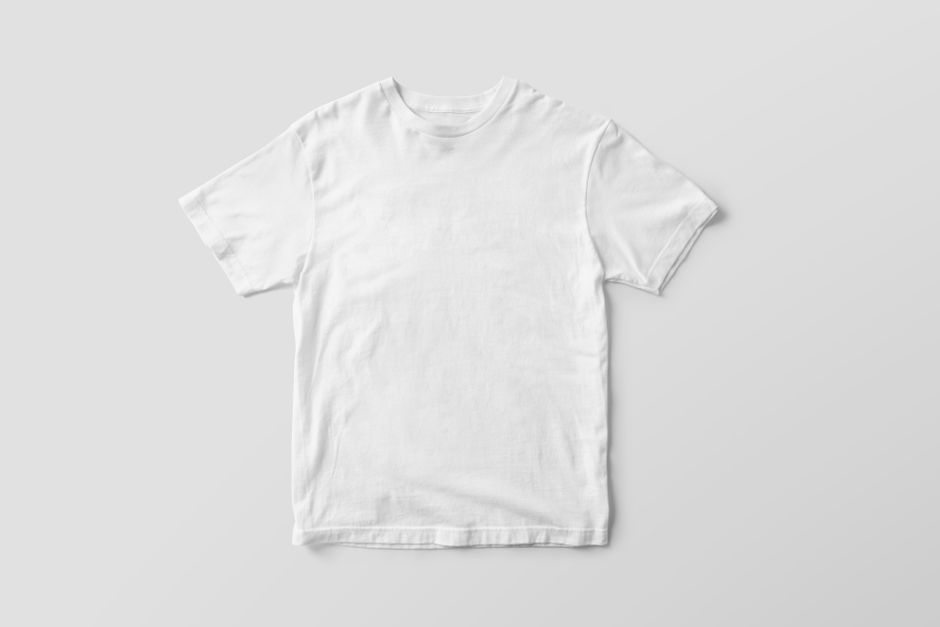
The appeal of print-on-demand is that you do not buy inventory upfront. But "no inventory" does not mean "no costs." Here is what you actually spend before your first sale.
| Expense Category | Typical Range | Why You Need It |
|---|---|---|
| Design software | $0 to $20/month | Canva, Kittl, or Adobe for creating graphics |
| Sample orders | $30 to $100 | Physical shirts to show during Live streams |
| TikTok Shop fees | 5 to 8% commission | Deducted per sale, not paid upfront |
| Misc (ring light, backdrop) | $15 to $40 | Basic streaming setup |
Total realistic out-of-pocket: $50 to $150 before your first sale.
The sample orders are the expense most beginners skip and most veterans insist on. On a Live stream, customers need to see the actual product, not a mockup. Holding up a physical shirt, showing the fabric weight, and demonstrating the fit builds the trust that converts viewers into buyers.
The TikTok Shop fee breakdown includes commission rates that vary by category, plus potential referral fees if you use affiliate creators. Factor these into your pricing from day one, not after your first sale eats your margin.
Pricing for Actual Profit
Print-on-demand unit costs are inherently higher than bulk-printed apparel. A shirt that costs $12 to produce via POD might cost $4 if you screen-printed 500 yourself. That is the tradeoff: you trade margin for flexibility, zero inventory, and no fulfillment labor.
The profitability math for POD comes down to whether your selling price, after platform fees and production costs, leaves enough to justify the hours you invest. A reasonable starting framework:
- Calculate your POD cost per unit (base item plus printing plus shipping)
- Add the TikTok Shop commission (using the 8% conservative estimate from the cost table above)
- Add an $8 to $15 margin per shirt
- Compare your final price to similar products already on TikTok Shop
If your price lands above what comparable sellers charge, either find a cheaper POD provider, switch to a higher-value product like a sweatshirt, or invest more in content so customers perceive premium value.
The 30-Day Pre-Live Audience Ramp
New TikTok Shop sellers typically need about 30 days to build algorithm traction and audience trust before seeing consistent conversions. Research on cross-platform first-sale data confirms this pattern across ecommerce platforms broadly. TikTok is no exception.
Here is a realistic week-by-week breakdown of what that ramp actually looks like.
Week 1: Research and Setup
- Choose a clear niche (seasonal apparel, faith-based designs, profession-specific shirts)
- Research what is already selling on TikTok Shop in that niche
- Create 5 to 10 initial designs using trends and seasonal demand signals
- Set up your TikTok Shop and POD integration
- Order 2 to 3 physical samples for later Live use
Week 2: Content and Listings
- List your products with clear titles, mockup photos, and accurate sizing charts
- Post 2 to 3 short videos per day showing your designs in context
- Start building toward the 1,000-follower threshold for Live access
- Engage with other creators and potential customers in your niche
Week 3: Community and Testing
- Continue posting daily content without skipping
- Test small promotions (discount codes, bundle offers)
- Register your first Live session in advance and promote it in your videos
- Respond to every comment and build rapport with early followers
Week 4: First Live Sessions
- Go Live for the first time, even with a small audience
- Keep sessions short (30 to 60 minutes) while you learn the platform tools
- Pin your best-looking product and offer a flash sale or welcome coupon
- Ask viewers directly what designs they want to see next
- Treat the first several Lives as rehearsals, not revenue events
The first sale may come from a short video, not a Live. That is normal and expected. The goal of this 30-day period is not immediate revenue. It is to build the audience, test the workflow, and learn the mechanics that make your Live sessions effective once real viewers show up.
Mastering the TikTok Live Sales Workflow
The biggest variable in Live revenue is not camera quality or charisma. It is how many people registered before you went live.
The seller behind the $40,000 night did not just hit Go Live and hope. She had over 500 pre-registered viewers locked in before the stream started. Registration count is the single strongest predictor of how many buyers show up, because every registrant receives a TikTok push notification when the stream begins. Treat pre-registration as your highest-priority pre-stream activity, not a box to check.
Building Pre-Registration
Registration does not happen by accident. It is earned through deliberate content in the days before each stream.
- Tease the Live 24 to 48 hours ahead with short videos showing the products you will feature
- Pin the registration link in your profile and reference it in every video caption leading up to the stream
- Offer a registration incentive, such as a discount code or giveaway exclusive to those who register
- Post a countdown reminder the morning of the stream
During the Stream
Two tactics separate sellers who convert from sellers who just talk into a phone.
Engagement milestones for algorithmic push. TikTok's algorithm rewards real-time engagement signals. Set public milestones tied to actions: "At 100,000 likes we drop a giveaway code." This gives viewers a reason to double-tap and share, which pushes your stream onto more For You pages. The best practices for live commerce consistently show that structured engagement triggers outperform open-ended streaming.
Social-proof product pinning. When you pin a product, pair it with a specific sales number: "We have already sold 200 of this one." Concrete scarcity converts better than generic enthusiasm. Hold up the physical sample, state the number sold, and explain exactly what material and fit the buyer is getting.
Giveaways function as audience-acquisition tools, not costs. Every giveaway entry that requires a follow or share expands your reach for the next stream.
After the Stream
- Review which products sold and which flopped
- Clip highlights into short videos for the next day's content feed
- Register your next Live immediately while the audience is warm
The sellers who build reliable income treat streaming as a daily or near-daily practice, not a weekly event. Consistency trains the algorithm to push your Lives to broader audiences over time.
Sustainable Revenue Floors vs. Outlier Spikes
The $40,000-night story is real for that specific seller, but it represents an outlier built on an existing audience of over 500 pre-registered viewers. For a new seller starting from scratch, the realistic trajectory looks different.
Month 1: $0 to $200 in revenue. Almost entirely setup, content creation, and audience building. Your first few Lives may generate zero sales.
Month 2: $200 to $1,000. Live sessions start converting as your audience grows. Small but consistent sales from a core group of returning viewers.
Month 3: $500 to $3,000. Algorithm traction improves. Returning customers, word-of-mouth, and affiliate creators begin compounding.
Month 4 and beyond: Revenue depends heavily on streaming frequency, audience size, and seasonal demand cycles. Sellers who stream 4 to 5 times per week with solid product-market fit can build toward four-figure monthly revenue. Holiday seasons (Halloween through Christmas) typically produce the strongest spikes.
These ranges are illustrative projections, not surveyed benchmarks or guarantees. Your actual numbers depend on niche selection, design quality, streaming consistency, and how quickly you build community trust.
The key metric is not your best night. It is your floor. A seller who can reliably generate $50 to $100 per Live session, four nights a week, has an $800 to $1,600 monthly baseline. That is the number to optimize for. Viral nights are a bonus layered on top of a consistent floor, not a substitute for building one.
Is a TikTok Live Print-on-Demand Side Hustle Right for You?
This model rewards a specific kind of person. It works well for those who are willing to:
- Show up on camera consistently, even when viewer counts are in the single digits
- Invest 15 to 25 hours per week across content creation, Live streaming, and store management
- Handle rejection and slow starts without quitting during the first 30 days
- Learn platform compliance rules and adapt quickly when policies shift
- Talk to strangers with genuine enthusiasm and build community one comment at a time
It does not work well for those who:
- Expect passive income without sustained daily effort
- Are uncomfortable being the visible face of their brand
- Cannot commit to a multi-week ramp before seeing returns
- Need guaranteed income within the first month
The tradeoff is straightforward. Print-on-demand removes inventory risk but compresses your profit margins. TikTok Live removes the barrier to audience building but demands consistent, high-energy on-camera performance. The sellers who succeed embrace both constraints as structural advantages rather than fighting them.
If you can clear TikTok's compliance gate, wire up your POD backend, survive the boring 30-day ramp, and show up on camera with energy four or five nights a week, the TikTok Live print-on-demand model can build a genuine income stream. Just do not expect it to happen in one night.
Stay in the loop.
Get the latest posts and exclusive content delivered to your inbox.
Join 13 readers. No spam. Unsubscribe in one click, anytime.
About the author
Dana Whitfield
Staff Writer
Dana covers the many ways people earn more, including quick-money apps, service-based work, digital products, and passive income, using rate surveys, marketplace data, and industry research.
Related Posts

Robotaxi Impact on Gig Driver Pay, 5 Signals and a Hedge
The robotaxi impact on gig driver pay lands metro by metro. Track the 5 trip-log signals monthly, then hedge rideshare income in staged moves.
How Uber Calculates Driver Pay, and How to Audit It
How Uber calculates driver pay now runs through upfront pricing and batch matching. Learn the system on Uber and Lyft, then audit 14 days of trips.
Measure Rideshare Market Saturation With Your Own Trip Data
Track requests per online hour, dead miles, and queue waits to measure rideshare market saturation, then rank the standard fixes by real hourly pay.