Test Your Gig App Acceptance Rate While the FTC Investigates
The FTC is asking whether gig apps punish drivers who decline low offers. Run this 30-day gig app acceptance rate test on your own offer log to find out.

Every driver forum argument about declining low offers ends the same way. One driver swears the app buried them in $2 orders after a week of rejections. Another swears it is superstition. Nobody brings a log, so nobody wins. Your gig app acceptance rate just became a federal question, and that changes what you can do about the argument. The FTC has launched a personalized pricing inquiry covering nine companies, Uber, Lyft, DoorDash, and Instacart among them, with orders to explain how pay gets set and whether worker data steers the offers each individual sees. Regulators will take months to answer. You can run a 30-day experiment on your own account right now, and the offer log that answers the question doubles as deactivation appeal documentation and an IRS-ready income record. This piece separates what platforms provably do with acceptance data from what is merely suspected, then hands you the test protocol.
Stay in the loop.
Get the latest posts and exclusive content delivered to your inbox.
Join 26 readers. No spam. Unsubscribe in one click, anytime.
Why Your Gig App Acceptance Rate Became a Federal Question
Per Sidehusl's reporting, the FTC's Labor Task Force is examining whether gig platforms use data about workers' acceptance behavior to steer the ones who decline toward worse offers, in effect pricing the most desperate drivers down. The inquiry, announced in October 2026, covers airlines, where the orders center on ticket pricing, plus rideshare, delivery, and the retail gig arms of Target (Shipt) and Walmart (Spark). The demand for the factors and weights inside compensation formulas applies to those worker-facing platforms, not the airlines. The companies have 45 days to respond, and the agency can compel compliance in federal court if they stall.
The framing matters for drivers. FTC Chairman Andrew N. Ferguson has said plainly that workers deserve to know whether their pay is shaped by how companies use their personal data. The agency has also said it has no problem with pay that moves on supply and demand, since that is normal marketplace behavior. Its concern is compensation shaped by mined personal data, such as phone usage or acceptance history. That same line, that undisclosed personalization could violate the FTC Act, runs through the agency's earlier policy statement on gig work.
Two honest caveats before you get angry or complacent. No finding of wrongdoing has been announced against any platform. And an inquiry is a question, not a verdict. Which is exactly why your own data beats waiting.
What Gig Apps Can Plausibly Log About You
Start with what the offer screen itself generates. Every offer carries a timer, so every offer resolves server-side as accepted, declined, or expired, and the seconds you took to decide are knowable. Add location permission, earnings history, and the conduct metrics platforms already publish, and you get the inventory of behavioral signals that algorithmic management research in ride-hailing takes seriously. The table below maps each signal to the steering it could feed.
| Data point | Why the app likely has it | Steering based on it could look like |
|---|---|---|
| Decline speed | Offers expire; timers resolve server-side | Lowest offers sent first to slow responders |
| Which offers you reject | Every decline is logged with offer details | More offers clustered just above your recent rejections |
| Offers you let expire | Expiry behaves like a decline | Pay-bump escalations withheld to test your patience |
| GPS trace and idle spots | Location runs during active shifts | Positioning outside surge clusters while you wait |
| Lifetime earnings and hours | Needed for tax forms and promotions | Smaller batches routed to accounts that seem price-tolerant |
| Completion and cancel record | Deactivation policies require it | Queue demotion after cancellations |
Read that as an inventory of what apps can plausibly know, not proof of what they do with it. That distinction is the entire ballgame, and the next section draws the line carefully.
What Is Proven vs. What Is Only Suspected

Proven, disclosed use of acceptance data already exists. DoorDash's published Top Dasher requirements have included a 70% acceptance rate, and Top Dasher status buys dispatch priority plus schedule access. That is an offer steering algorithm operating in the open, dressed up as a perk ladder. Uber ties Uber Pro perks to ratings and trip counts, and Uber's acceptance-rate explainer draws a hard line between the two rates drivers track: acceptance rate does not put your account at risk, cancellation behavior can. Grubhub's recognition program has historically tied perks to metrics including acceptance in its published program rules.
So platforms openly reward high acceptance. What remains unproven is the covert version, punishment pricing that quietly serves decliners worse offers. No public evidence establishes it. Search "does declining DoorDash orders affect future offers" and you will find thousands of anecdotes and zero lines of dispatch code. Does acceptance rate matter on Uber Eats when it comes to the offers you receive? Outside the platforms, nobody knows yet, and that is precisely the question the FTC put in writing.
Will declining offers get you deactivated? Published policies point elsewhere: acceptance alone is not a listed trigger, while cancellations, completion rate, and conduct are. Screenshot the current terms during your test month, because policies drift.
One more piece of context. The FTC has regulated platform data practices before, including its 2017 settlement with Uber over misrepresentations about privacy and data security. Scrutiny of gig app data collection has real precedent behind it, not just fresh outrage.
How to Run the 30-Day Decline Test
This is a paired-baseline acceptance rate experiment: same zones, same shift windows, alternating behavior, everything logged. The design exists to kill the boring explanations before you blame the algorithm.
Fix the Variables First
Pick two or three zones you know well and commit to them for the full month. Pick three shift windows per week, say Friday 5 to 8 PM, Saturday 11 to 2, Sunday 5 to 8, and keep them identical throughout. Same vehicle, same app version, no mid-test signup on a new platform if you can help it. Your gig app acceptance rate is the treatment variable. Everything else is supposed to hold still.
The Four-Week Schedule
- Week 1, baseline. Behave exactly as you normally do. Log every offer. This is your control.
- Week 2, accept-heavy. Accept every offer that is safe and legal. Target 90 percent acceptance or higher.
- Week 3, decline-heavy. Set a hard floor in advance, for example $2 per mile or your baseline median. Expect acceptance to land between 40 and 60 percent.
- Week 4, accept-heavy again. The bracket matters. Weeks 2 and 4 sandwich week 3, which controls for market drift across the month.
Safety outranks the protocol. Decline unsafe or duplicated orders in every week, mark the exception in the log, and exclude those rows from analysis.
Log Every Offer in One Tap
Knowing how to log gig offers and pay without quitting is the whole skill. A notes-app shortcut or a single spreadsheet row, filled at the next red light, is enough. Copy this filled example:
| Field | Entry |
|---|---|
| Platform | DoorDash |
| Date and time | Sat 6:12 PM |
| Zone | Zone A, downtown |
| Offer | $7.25, 3.1 miles, about 18 min |
| Dollars per mile | $2.34 |
| Decision | Declined |
| Response time | 6 seconds |
| Note | Stacked order, no tip shown |
Reading Your Results Without Fooling Yourself
Compute three numbers per week: median dollars per mile, dollars per hour, and offers per hour online. The third number is the detective. Punishment pricing, the desperation theory, predicts offer quality dropping while arrival rate holds steady, because the system is testing whether you will cave. A demand dip predicts both numbers falling, and it hits every driver in your city at once.
Name the confounders before they name you: seasonality and holidays, weather, local events, a wave of new drivers chasing a promotion, gas-price swings, app updates that redraw zones. Check your city's trajectory in Gridwise driver earnings reports; if the whole market sagged during week 3, your sagging dollar-per-mile carries a lot less meaning.
Now a worked example with invented numbers, labeled as such. Baseline week: $1.90 per mile at 5.5 offers per hour. Accept-heavy week: $2.05 at 6.1. Decline-heavy week: $1.35 at 5.9. Rebound week: $1.95 at 5.8. Arrival held while quality cratered, then recovered when compliance returned. That pattern is consistent with steering and inconsistent with a pure demand dip, though a poorly timed local event could still fake part of it. If the result is murky, run the cycle a second month. One month is a signal. Two months is a pattern.
Signs a gig app algorithm is punishing you should look this boring and this specific, not like vibes from a bad Tuesday. And keep the honesty clause: an n of 1 over one month proves a pattern on your account, not intent inside a black box. That is still enough to escalate in a support ticket with a straight face.
Defensive Tactics While You Test
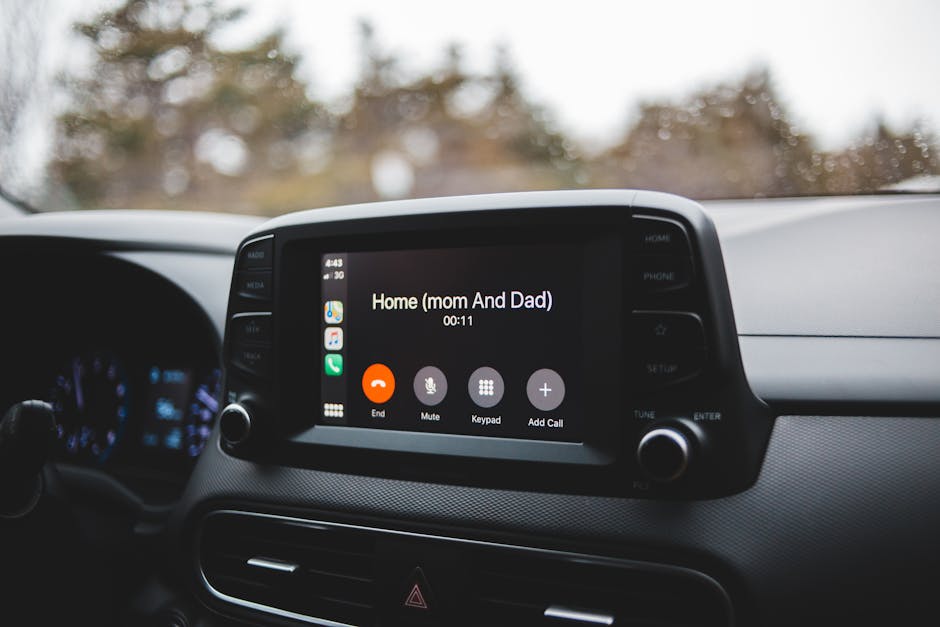
The biggest threat to your 30-day test is the driver contaminating their own evidence, not the algorithm. So every tactic below is experimental control first and platform hygiene second, and each one quietly produces more proof.
Batch Your Apps by Zone and Time
A multi-apping strategy spreads your exposure across competing algorithms, but simultaneous offers and forced cancels pollute both your experiment and your completion metrics. The control is batching: co-run apps only in the same zone during your proven busiest block, and run single-app otherwise. Held to the full month, that schedule also builds comparable per-platform baselines, two algorithms observed under identical zones and hours.
| Block | App 1 | App 2 | Zone rule |
|---|---|---|---|
| Weekday lunch | Uber Eats | Off | Downtown core only |
| Weekday dinner | DoorDash | Uber Eats | Same zone, peak only |
| Saturday morning | Instacart | Off | Suburban belt |
| Saturday dinner | DoorDash | Off | Zone B only |
Cancellation Hygiene
Declining an offer is cheap. Accepting and then canceling burns your completion rate, the one metric published policies actually enforce. If two apps fire at once, honor whichever offer arrived first and log the other as a forced decline. Clean cancels keep the enforcement surface quiet while your acceptance rate does the experimental work.
Run the Same Protocol on Two Apps
One account is an n of 1. Two accounts on the identical schedule become a differential diagnosis: if offer quality craters on one app during your decline-heavy week while the other app, same zones and hours, holds steady, a citywide demand dip is ruled out. Forum threads will never hand you that comparison. Neither will the FTC's 45-day data dump, which lands in an agency case file, not your inbox.
Build the Appeal Packet Before You Need It
If your account gets flagged mid-experiment, the log becomes your gig worker deactivation appeal, evidence you already own before a flag lands. Keep this checklist ready:
- Weekly summary lines from the log, offers per hour, dollars per mile, acceptance rate
- Dated screenshots of representative offers with timestamps visible
- Weekly screenshots of your account metrics page
- The warning or deactivation notice, unedited
- Prior support ticket numbers and responses
- One page of plain facts, no accusations, no theories
The Same Log Is an IRS Record
Contemporaneous logs beat reconstructed ones with tax authorities too, a second job the log does regardless of what your numbers show. Your columns already capture dates, amounts, and mileage context, and adding a starting odometer reading per shift gets you in line with IRS mileage log rules. The experiment's only real cost stays the logging habit itself.
What Happens If the FTC Actually Rules
If the inquiry goes anywhere, three things could realistically change:
- Pay formulas with their factors and weights disclosed, since the orders already demand them
- Limits on using behavioral data such as acceptance history without notice
- Enforcement against deceptive wage claims
What will not change: demand-based pricing stays legal, the FTC said so itself, and nothing arrives fast. Regulation moves in quarters, so plan for no instant better offers.
Watch enforcement coordination rather than press releases. The FTC's cooperation agreement with the NLRB signals that worker-side data complaints now have two agencies' attention, which is how the FTC gig worker investigation stops being a solo effort.
Your offer log moves in days. Keep a 20-minute monthly review: refresh the baseline week, skim arrival rates, archive screenshots, and keep the habit running whether or not regulators ever prove covert punishment pricing. Your gig app acceptance rate data now exists, it is yours, and it works for you in appeals, at tax time, and every time you decide which platform deserves your Saturday night.
That is the whole play. Turn an open question in Washington into a closed one on your phone.
Stay in the loop.
Get the latest posts and exclusive content delivered to your inbox.
Join 26 readers. No spam. Unsubscribe in one click, anytime.
About the author
Ryan Callahan
Staff Writer
Ryan reports on extra-income opportunities and personal finance, including side hustles, money-making apps, and investing basics, with a focus on clear, practical analysis.
Related Posts
GigU Driver Pay in 2026, the Fully Loaded Audit
GigU driver pay in 2026, audited: real hourly earnings after deadhead miles, insurance gaps, and thin ride volume, benchmarked against Uber.
How Uber Calculates Driver Pay, and How to Audit It
How Uber calculates driver pay now runs through upfront pricing and batch matching. Learn the system on Uber and Lyft, then audit 14 days of trips.

Money Making Apps for Beginners Ranked by Real Hourly Pay
Money making apps for beginners ranked by effective hourly rate after unpaid time, payout thresholds, and cash-out fees. See which apps actually pay.